



American Home Hardware Through the Centuries: 1700s to Today
American Home Hardware Through the Centuries: 1700s to Today
From hand-forged Colonial latches to the streamlined geometry of Art Deco and Mid-Century design, hardware has always been one of the smallest details with a surprisingly large story to tell.
Look closely at an old American home and you will find history in unexpected places. A brass escutcheon, a cast-iron hinge, a porcelain knob or a simple cabinet pull can reveal when a home was built, what design movement influenced it, and even something about the technology available to the people who lived there.
Architectural hardware was never simply functional. As American homes changed, so did the details used to open, close, secure and decorate them. Materials evolved, manufacturing became more sophisticated, and changing tastes introduced new shapes and ornamentation. Yet many of the classic forms created centuries ago remain influential today.
Here is a journey through some of the most recognizable periods in American residential design—and the hardware that helped define them.
Colonial Hardware
1700s & Early American HomesEarly American hardware was shaped by necessity, craftsmanship and the materials available to local tradespeople. In Colonial homes, hardware was often made by blacksmiths or other skilled craftsmen rather than mass-produced in factories.
Wrought iron was particularly important. Hinges, latches, strap hardware and other functional pieces could be forged by hand, producing hardware with an unmistakable irregularity. The marks left behind by the maker were part of the object rather than a flaw to be hidden.
As imported hardware became more accessible, brass also became an important material for American homes. Simple brass escutcheons, knobs and pulls added a refined touch while remaining relatively restrained compared with the elaborate ornamentation that would become popular later.
Today, Colonial-inspired hardware continues to work beautifully in period homes, farmhouses, cottages and traditional interiors. Look for simple silhouettes, aged finishes and hardware that emphasizes craftsmanship over decoration.
Bring Colonial character home
Explore hardware inspired by early American craftsmanship.
Victorian Hardware
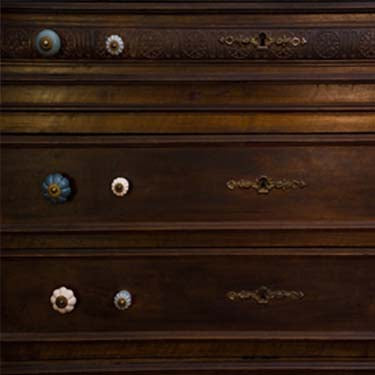
1837–1901 & The Age of OrnamentIf Colonial hardware favored simplicity, Victorian hardware embraced almost the opposite philosophy. The Industrial Revolution transformed manufacturing, allowing decorative hardware to be produced in greater quantities and giving homeowners access to an extraordinary range of ornamental designs.
Victorian interiors frequently featured elaborate moldings, patterned wallpaper, carved woodwork, stained glass and richly decorated furniture. Hardware followed the same philosophy. Doorknobs, backplates, drawer pulls and hinges became opportunities for decoration.
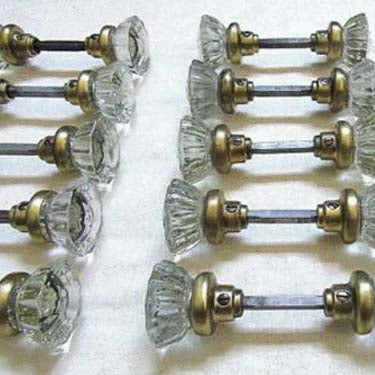
Brass became especially prominent, often appearing alongside intricate cast patterns and decorative motifs. Porcelain and glass knobs also became popular, bringing color, texture and visual interest to doors and furniture.
Victorian hardware remains particularly effective when used as a statement detail. A highly decorative backplate or richly finished brass knob can reinforce the character of a historic home without requiring every element of the room to be period-perfect.
Explore Victorian details
Discover ornate knobs, backplates and pulls inspired by the Victorian era.
Arts & Crafts Hardware
1890s–1920s & The Return to CraftsmanshipThe Arts and Crafts movement brought a reaction against excessive ornamentation and mass-produced decoration. Designers and craftspeople emphasized honest materials, visible craftsmanship and simple forms inspired by nature.
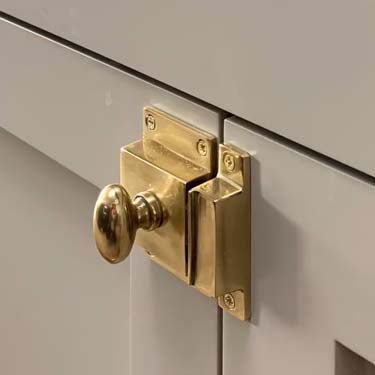
Hardware became more restrained. Instead of elaborate Victorian ornament, Arts and Crafts pieces often featured strong geometric silhouettes, hammered surfaces and straightforward construction. Copper, brass and bronze were especially well suited to the movement's emphasis on natural materials and craftsmanship.
Mission and Craftsman homes made this aesthetic particularly recognizable. Rectangular plates, simple pulls, strap hinges and geometric doorknobs complemented the exposed wood, built-in cabinetry and architectural simplicity of the period.
The appeal remains strong today. Arts and Crafts hardware can add warmth to a contemporary kitchen, reinforce the architecture of a Craftsman bungalow or bring a handmade quality to a modern farmhouse.
Discover Arts & Crafts hardware
Simple forms and substantial materials designed around craftsmanship.
Art Deco Hardware
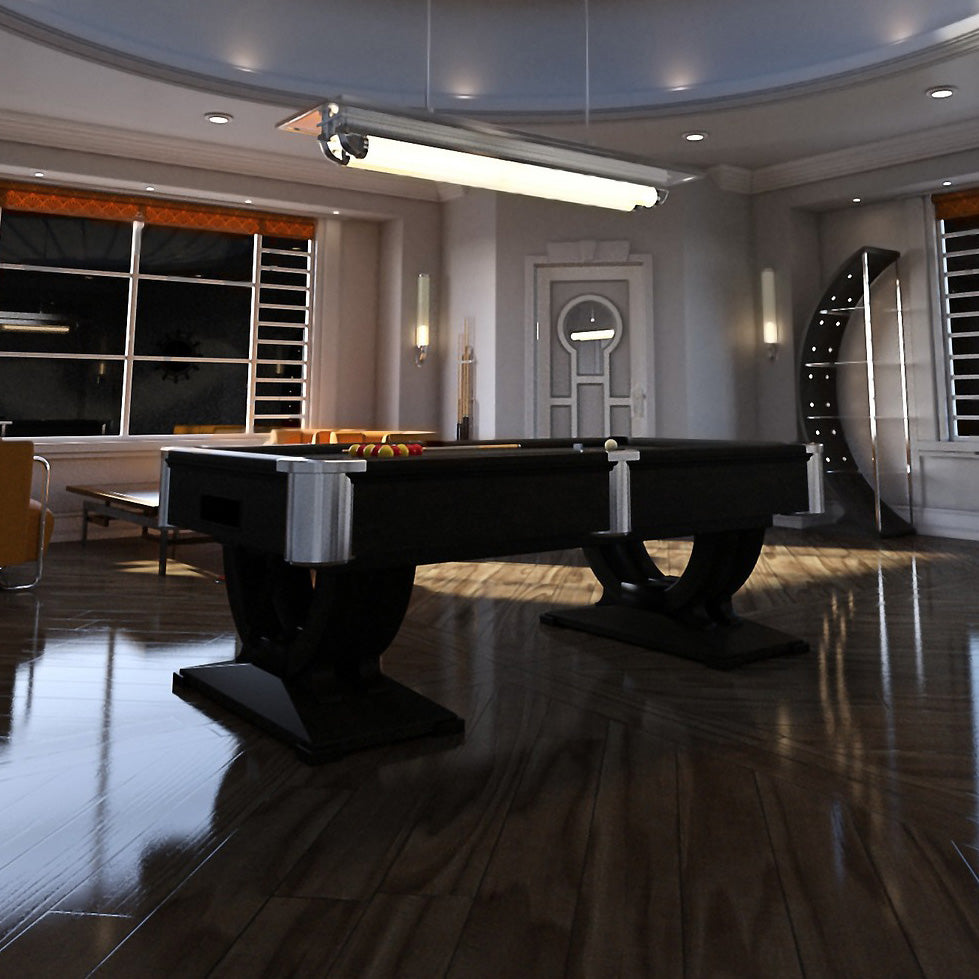
1920s–1930s & The Age of GeometryBy the 1920s, American design was moving toward something altogether different. Art Deco celebrated modernity, technology, glamour and geometric precision. The elaborate organic motifs of earlier periods gave way to stepped profiles, symmetrical patterns and bold shapes.
Architectural hardware became sleeker and more sculptural. Chrome and polished metals appeared alongside brass, while bakelite, glass and other emerging materials expanded the possibilities for knobs and pulls.
Art Deco hardware is particularly recognizable for its geometry. Fan shapes, stepped edges, concentric forms and strong vertical or horizontal lines create the unmistakable visual language of the period.
Today, Art Deco-inspired hardware can be used throughout an entire interior or introduced selectively as an accent. A geometric knob on a cabinet or a dramatic backplate on an interior door can bring a touch of 1920s glamour to an otherwise contemporary space.
Add a little Deco drama
Shop geometric hardware inspired by the glamour of the Jazz Age.
Mid-Century Hardware
1940s–1960s & The Modern American HomeAfter World War II, American homes entered a new era. Suburban development, new building technologies and changing lifestyles influenced everything from architecture to furniture. Hardware became cleaner, simpler and increasingly integrated with modern design.
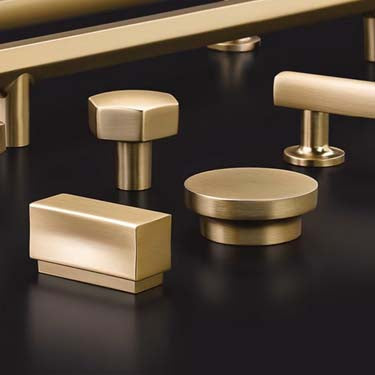
Mid-Century Modern hardware often emphasizes smooth surfaces and uncomplicated shapes. Long pulls, streamlined knobs and minimal backplates work naturally with the clean lines and open spaces associated with the period.
Materials and finishes also became more varied. Brass remained important, but chrome and other modern finishes offered a distinctly contemporary appearance. The emphasis shifted from decorative complexity toward proportion, function and visual simplicity.
Mid-Century hardware is remarkably versatile today. Its clean lines can complement a period ranch home just as easily as a contemporary renovation, making it one of the easiest historical styles to incorporate into a modern interior.
Bring Mid-Century style home
Discover streamlined hardware designed around clean architectural lines.
Hardware for Today's Home
Historic Inspiration, Modern LivingOne of the most interesting things about architectural hardware is that these historical styles never truly disappeared. Colonial, Victorian, Arts and Crafts, Art Deco and Mid-Century designs continue to influence the hardware available today.
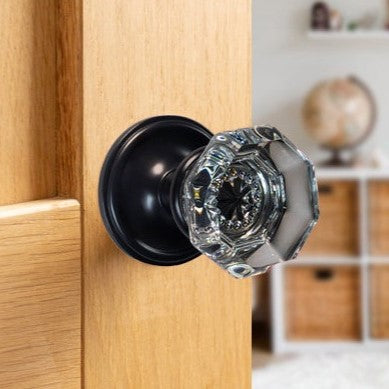
Modern homeowners also have more freedom to mix periods than ever before. A traditional brass doorknob can work beautifully with modern cabinetry. An Arts and Crafts pull can bring warmth to a contemporary kitchen. A crystal knob can add a decorative focal point to an otherwise simple bathroom.
The key is understanding the visual language of each period. Consider the architecture of the home, the proportions of the doors and cabinetry, the finishes already present in the room and the amount of ornamentation you want the hardware to introduce.
In other words, choosing historical hardware doesn't mean turning your home into a museum. It means using details with a sense of history to give a space more character.
Small Details. Centuries of Design.
From hand-forged Colonial ironwork to the polished geometry of Art Deco and the clean simplicity of Mid-Century design, architectural hardware offers a fascinating way to connect a home with the history of American design.
Whether you're restoring a historic property, renovating a period-inspired interior or simply looking for hardware with more character, understanding where these styles came from can make choosing the right detail much easier.
Explore architectural hardware by design period:


Leave a comment