



Antique Hardware Through American History
American Home Hardware Through the Centuries: 1700s to Today
From hand-forged Colonial hinges to streamlined Mid Century hardware, the details found on American doors, cabinets, and windows tell a story of changing technology, architecture, and taste.
Explore the Timeline ↓Hardware is one of the smallest details in a home—and one of the easiest ways to see its history.
A door hinge, cabinet pull, escutcheon, or doorknob may seem like a purely functional object. But over the centuries, these practical pieces evolved alongside American architecture, manufacturing, and interior design.
Colonial homes favored practical, often individually crafted hardware. The Victorian era embraced ornament and elaborate pattern. The Arts and Crafts movement celebrated honest materials and craftsmanship, while Art Deco introduced geometric glamour. By the Mid Century era, hardware had become increasingly streamlined and modern.
Looking at hardware through this historical lens makes it easier to recognize the visual language of different periods—and to choose hardware that feels appropriate for a particular home.

A Timeline of American Home Hardware
The following eras offer a broad overview of how door and cabinet hardware developed in American homes. Styles often overlapped, and regional differences were common, but each period introduced recognizable design characteristics.
Colonial Hardware
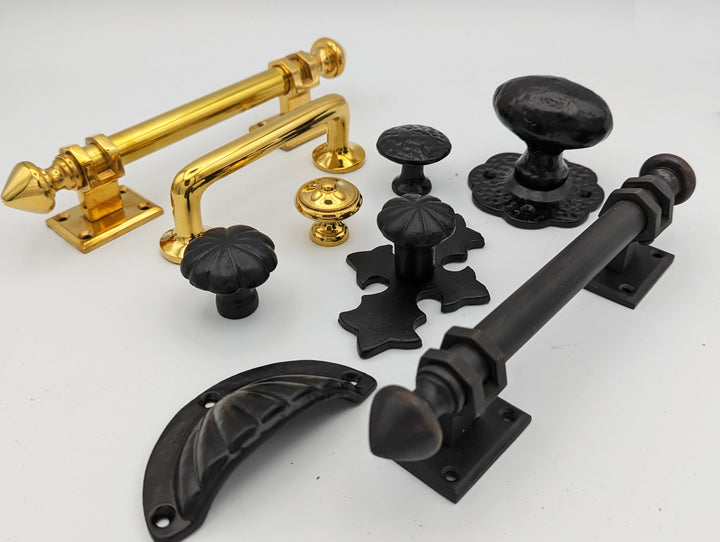
Early American hardware was shaped largely by necessity, availability, and craftsmanship. Door hinges, latches, escutcheons, and other pieces were often made from iron, brass, or other durable materials.
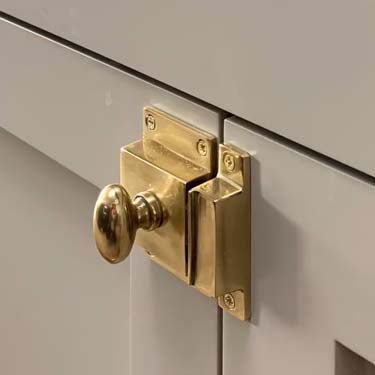
Colonial hardware tends to favor straightforward forms, practical construction, and relatively restrained decoration. Strap hinges, HL hinges, surface bolts, and simple pulls are among the forms associated with this broad tradition.
Because hardware was often produced by individual craftsmen or small workshops, variations in shape and finish were natural.
Refinement and Classical Influence
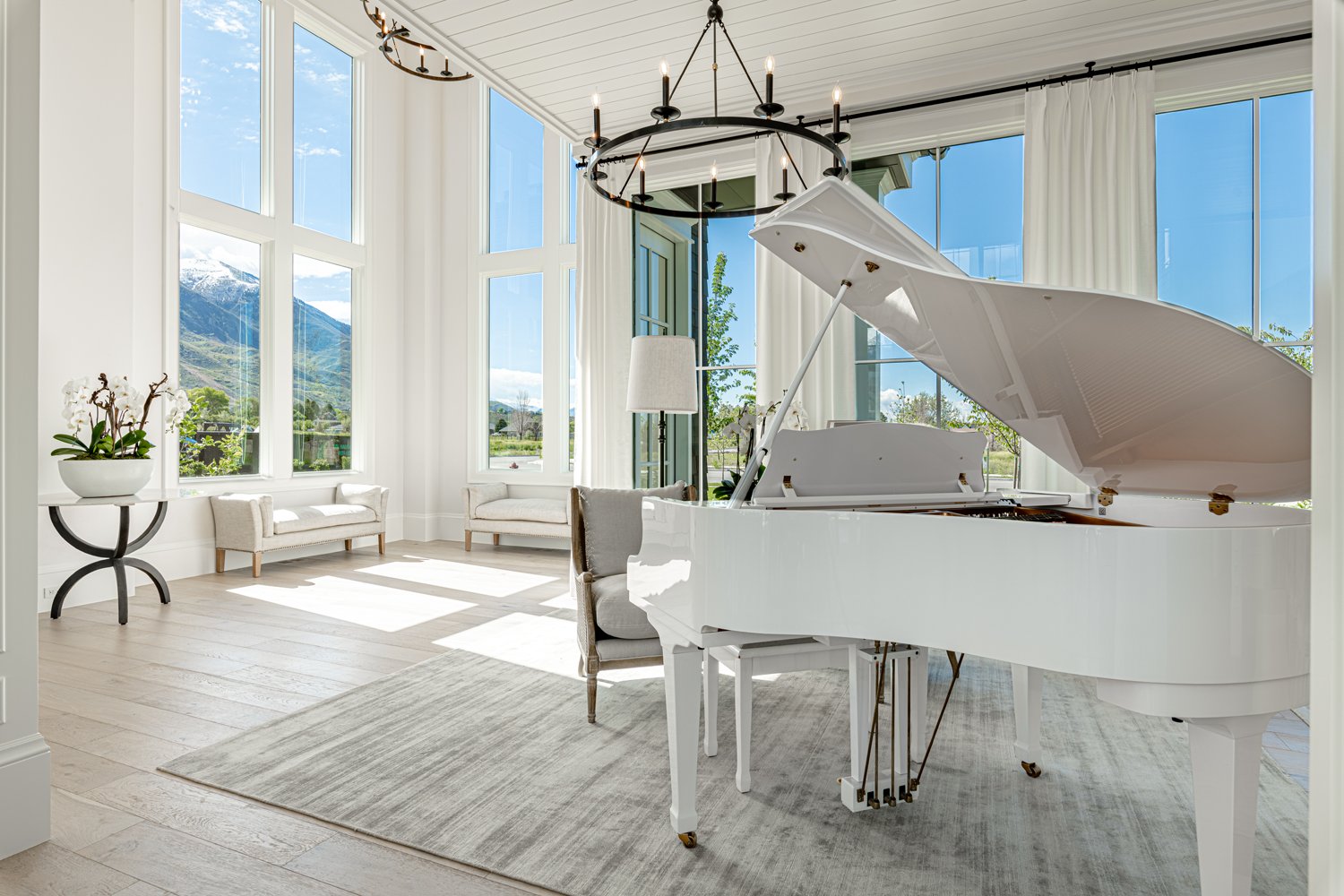
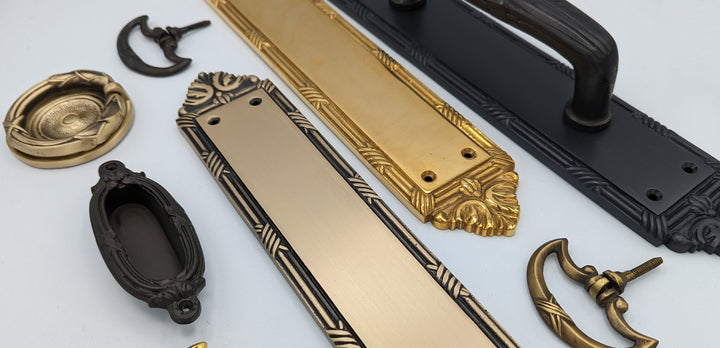
As American cities and industries developed, decorative hardware began to reflect stronger classical influences. Brass became increasingly prominent, and more refined decorative forms appeared alongside practical hardware.
Door plates, escutcheons, knobs, and cabinet hardware could incorporate symmetrical ornament, geometric borders, and classical motifs.
Victorian Hardware
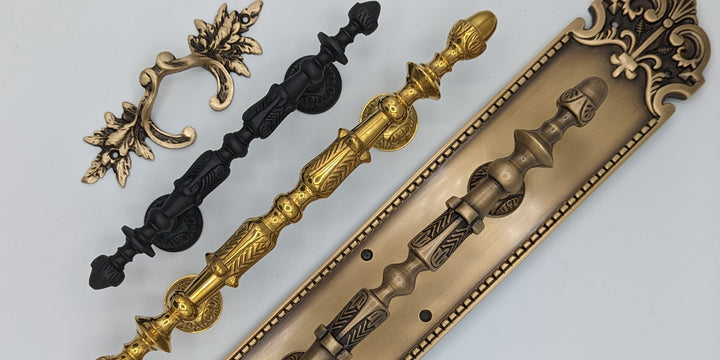
The Victorian period brought a dramatic expansion of decorative possibilities. Improvements in manufacturing allowed increasingly elaborate patterns to be produced for American homes.
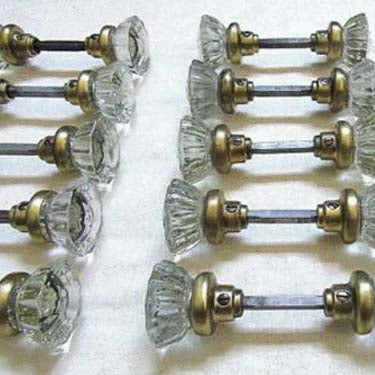
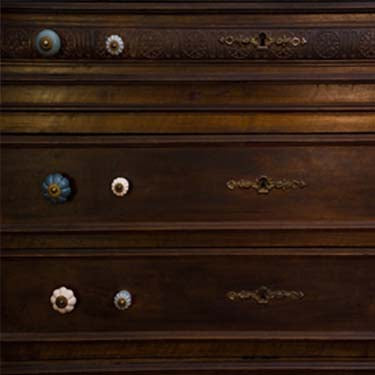
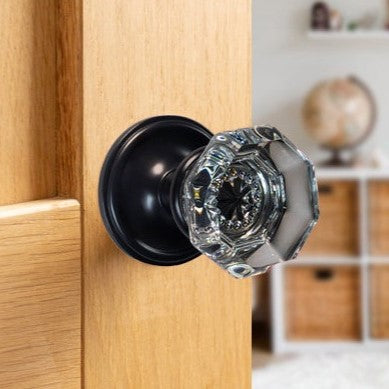
Victorian hardware may feature floral motifs, scrollwork, intricate backplates, faceted glass, decorative brass, porcelain, and other ornamental materials.
Rather than treating hardware as something that should disappear into the architecture, Victorian design often made it part of the visual experience of the room.
Ornament Meets Mass Production
By the late nineteenth century, American manufacturing had transformed the availability of architectural hardware. Decorative pieces could be produced in larger quantities, giving homeowners access to styles that previously required specialized craftsmanship.
Cast brass, pressed metal, decorative glass, porcelain, and increasingly specialized mechanisms expanded the vocabulary of residential hardware.

Arts and Crafts Hardware
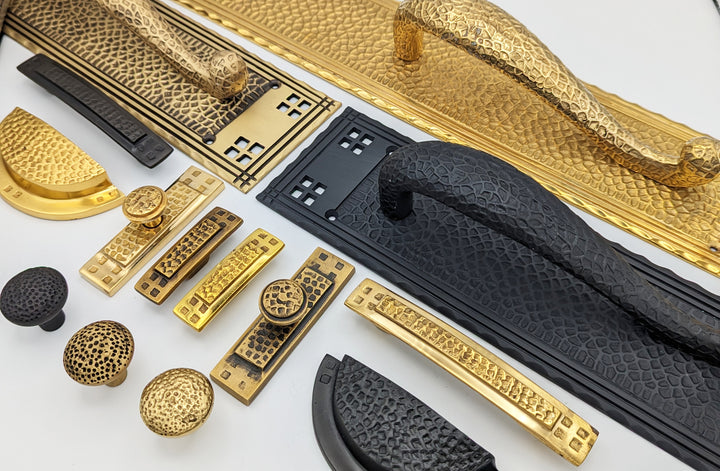
The Arts and Crafts movement pushed back against excessive ornamentation and celebrated craftsmanship, natural materials, and straightforward construction.
Arts and Crafts hardware often features hammered or textured metal, simple geometric forms, earthy finishes, and an emphasis on the material itself.
Brass, bronze, copper, and iron became especially effective materials for this aesthetic, with finishes often chosen to emphasize texture and age.
Art Deco Hardware
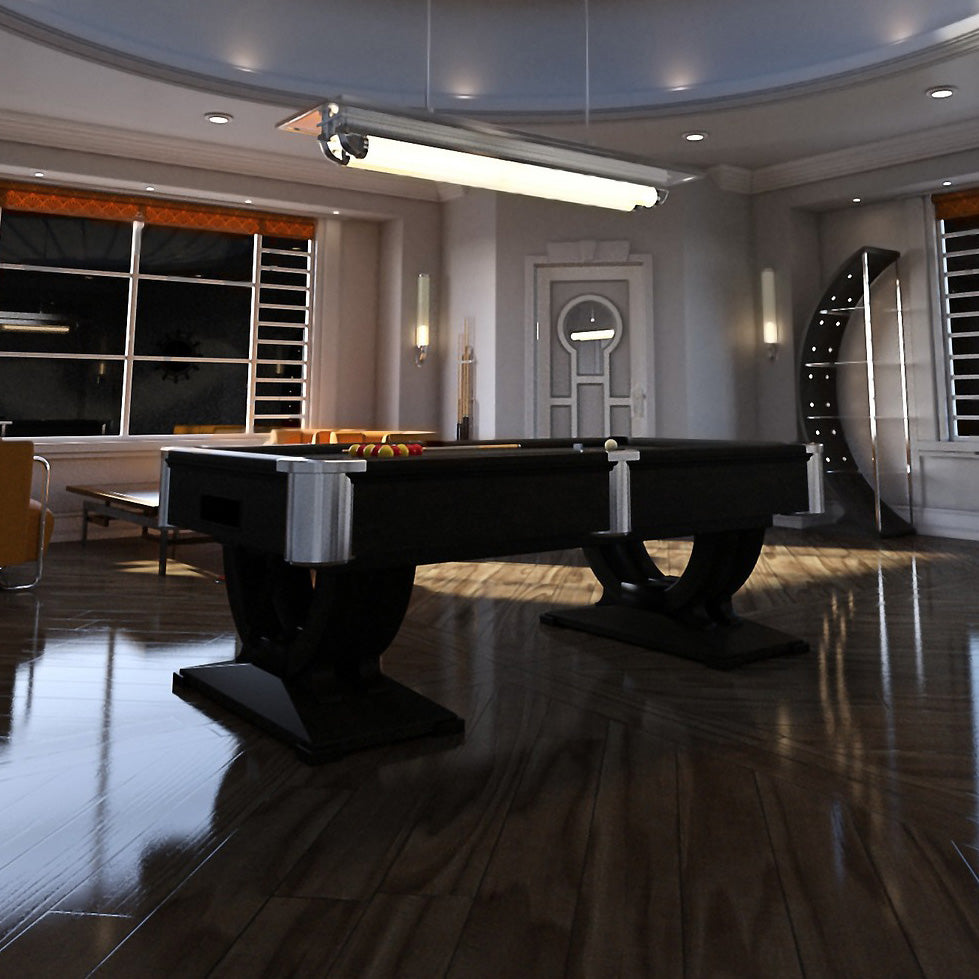
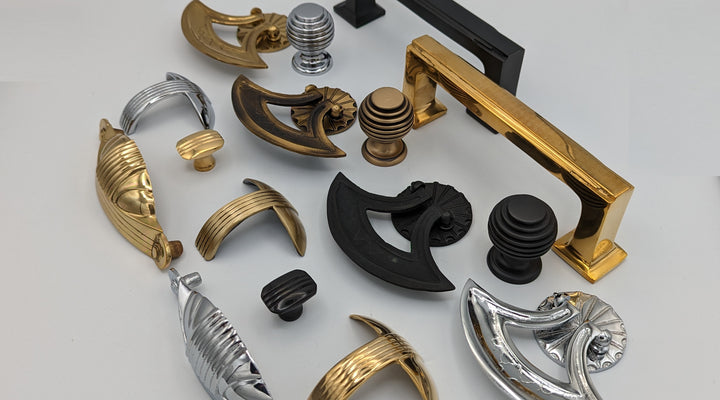
Art Deco introduced a dramatically different visual language. Instead of the organic decoration associated with earlier styles, designers embraced geometry, symmetry, streamlined profiles, and luxurious materials.
Door hardware from the period may feature stepped forms, circles, diamonds, fan motifs, strong vertical lines, and polished metal finishes.
Art Deco hardware is particularly useful when restoring early twentieth-century apartments, theaters, commercial buildings, and homes influenced by the period.
Mid Century Hardware
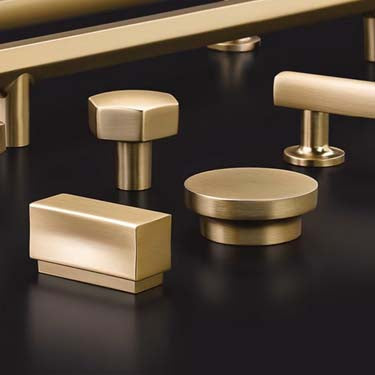
Mid Century design continued the move toward simplicity, but introduced softer organic shapes alongside clean geometric forms.
Hardware became increasingly streamlined, with designers exploring new shapes, materials, finishes, and ergonomic forms.
The result was hardware that could be visually distinctive without relying on the ornamentation common in nineteenth century design.

Historic Style, Modern Function
Today, homeowners can draw from centuries of architectural design without limiting themselves to historically original hardware.
Reproduction hardware allows restoration projects and new homes alike to incorporate the proportions, materials, finishes, and decorative vocabulary of earlier periods while using newly manufactured components.
This has made historic hardware styles useful far beyond strict restoration. Colonial, Victorian, Arts and Crafts, Art Deco, and Mid Century influences can all be incorporated into contemporary interiors.
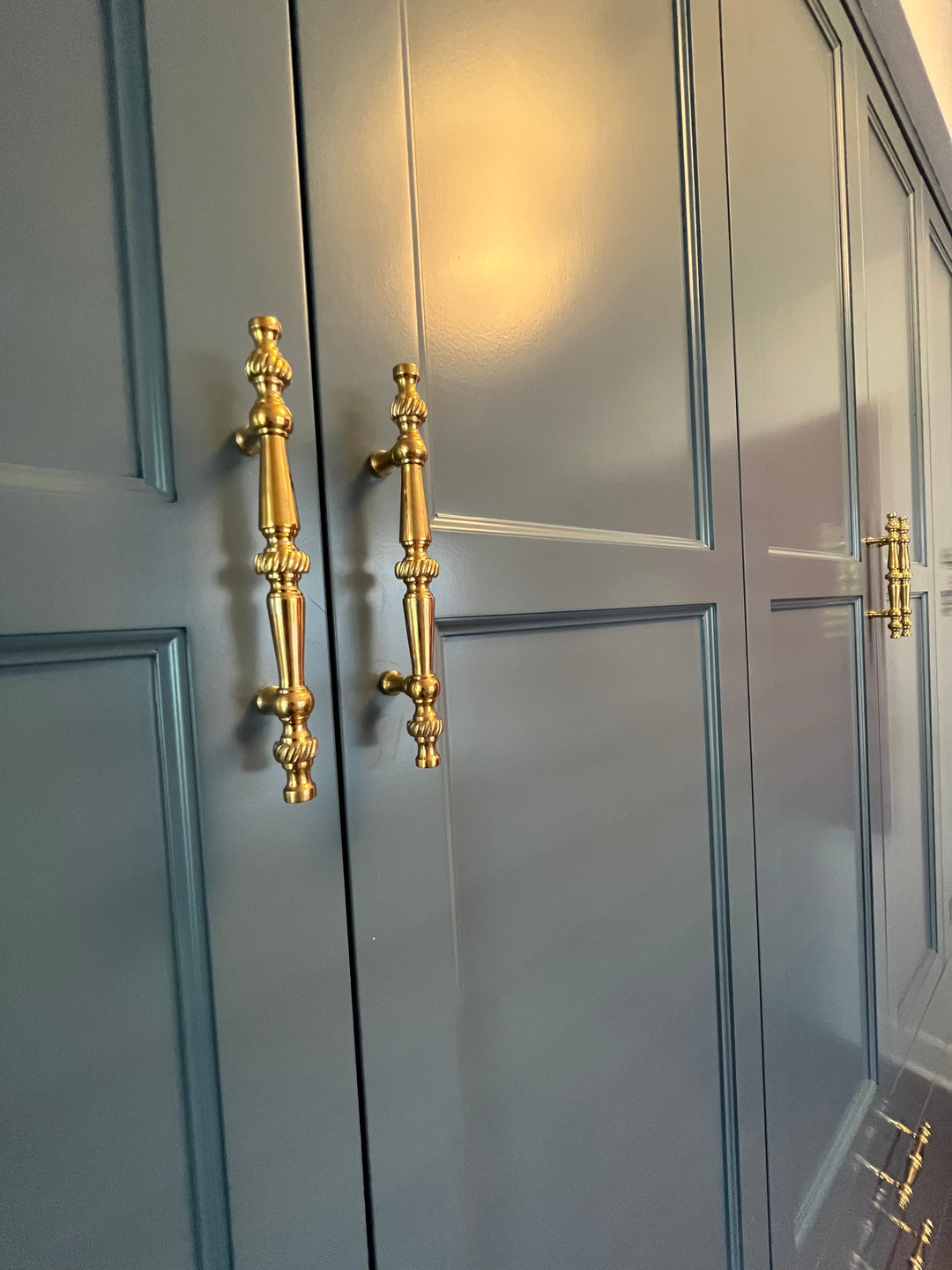
Five American Hardware Styles to Know
If you're trying to identify hardware in an older home—or simply deciding which style best suits a renovation—these five periods provide a useful starting point.
Colonial Hardware
Look for practical forms, forged or cast metal, strap hinges, surface hardware, and restrained decoration.
Victorian Hardware
Think ornament, floral motifs, decorative backplates, faceted glass, porcelain, and elaborate brasswork.
Arts & Crafts Hardware
Simple geometry, visible craftsmanship, textured metal, and earthy finishes define much of the movement's hardware.
Art Deco Hardware
Strong geometry, symmetry, stepped profiles, circles, diamonds, and polished finishes create its distinctive look.
Mid Century Hardware
Streamlined silhouettes, organic curves, clean geometry, and restrained ornament characterize the period.
How Can You Identify the Era of Your Hardware?
Dating hardware is rarely as simple as finding one defining feature. Instead, examine several characteristics together.
The silhouette of a knob, pull, hinge, or backplate can provide an initial clue. Ornate curves and floral decoration may suggest a different design vocabulary than the straight lines and geometric forms associated with later periods.
Brass, bronze, iron, porcelain, glass, and other materials appeared in different combinations throughout American hardware history. Material alone does not establish an exact date, but it can help narrow the possibilities.
Natural patina, polished surfaces, painted finishes, and darker aged treatments can all change the appearance of hardware. Remember that modern reproductions can also be intentionally aged, so finish should be considered alongside construction and design.
Look at screw placement, mounting methods, joints, spindles, fasteners, and how individual components fit together. Construction details can sometimes reveal more than surface decoration.
Hardware rarely exists in isolation. Consider the age, architectural style, doors, trim, windows, cabinetry, and other details surrounding it. A collection of matching characteristics can provide a stronger historical clue than one isolated feature.
Why Hardware Matters in Restoration
Replacing a period-appropriate door knob with a generic modern alternative may seem like a small change, but small details can significantly affect the character of an older interior. Hardware establishes scale, reinforces architectural style, and can connect individual rooms to the larger story of a home.
Matching Hardware to Your Home's Architecture
Historical accuracy does not always mean reproducing every detail exactly. In many restoration and renovation projects, the goal is to create a cohesive visual language.
A Colonial-inspired home may call for restrained brass or iron hardware. A Victorian interior may support more decorative knobs, plates, and pulls. Arts and Crafts homes often benefit from textured metal and straightforward geometry, while Art Deco spaces can accommodate sharper geometric silhouettes.
Mid Century interiors tend to work best with hardware that respects their emphasis on clean lines and functional simplicity.
Shop by Historical Style
Exploring hardware by period can be a useful starting point when planning a restoration or developing a historically inspired interior.
Mid Century
Streamlined forms & modern simplicity.


Leave a comment